Explore how the £1 Thunderball draw became the nations new bedtime habit, overtaking endless feeds and resetting what "small win" excitement means.
While headlines chase record-breaking jackpots elsewhere, something subtle is happening at 00:15 each morning: living-room lamps flick back on, kettle sales spike for ninety seconds, and smartphones are flipped face-down. The cause is not a viral dance challenge or a streaming cliff-hanger; it is the Thunderball draw, the United Kingdoms modest £1 National Lottery game that is quietly morphing into the most reliable low-stakes adrenaline hit on the islands.
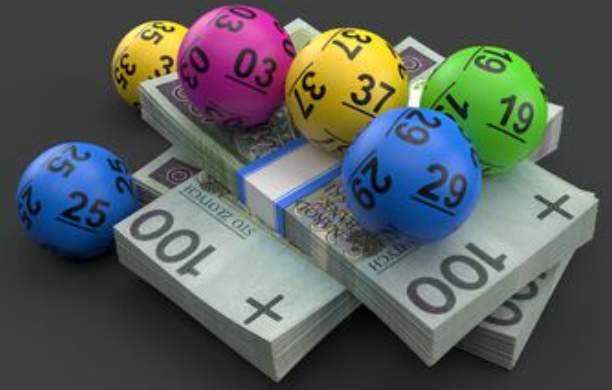
For years Thunderball sat in the shadow of its bigger siblings, marketed as the "nice little top-up" you bought when the queue was short. Tickets cost less than a chocolate bar, top prizes were capped, and the odds were kind enough that teachers, cab drivers and night-shift nurses could realistically picture the money landing. Yet the real shift began when the draw slipped into the late-night slot and smartphone culture peaked. Suddenly, checking results became the final swipe before sleep, cheaper than a betting-app flutter and faster than scrolling headlines that dredge global chaos.
Behavioural economists point to a perfect behavioural cocktail: a fixed jackpot that never dips, odds that beat most retail scratchcards, and a double-dip mechanic that lets players dream twice on one slip. Where EuroMillions sells the moon, Thunderball sells an extra long weekend, and that specificity is easier to visualise. The brain locks onto the narrative: Friday off, garden office finally built, credit-card balance zeroed. Neurologically, the smaller, clearer picture triggers a stronger dopamine ripple than the vague promise of multi-generational wealth.
Retailers have noticed the change in cadence. Corner shops that once shut tills at 11 p.m. now keep terminals alive until 11:59, drawing a late-footfall crowd that also buys herbal tea and phone chargers. Online, the story repeats: traffic dashboards show a sharp climb at 23:50, plateauing two minutes after the numbers settle, then an immediate drop to baseline. It is the digital equivalent of a town-square clock striking twelve, except the chime is a pastel-coloured banner announcing whether bedtime imagination converts to breakfast budgeting.
Interestingly, the demographic is widening. University students, initially attracted by the entry price lower than a bus fare, have started pooling tickets in group chats, assigning symbolic jobs to each chosen number: rent, textbooks, gig tickets, emergency ramen. Meanwhile, retired players appreciate the fixed prize structure; there is no rollover anxiety, no headline announcing a billion that will never arrive. The top sum is predictable, and for many pensioners that stability outweighs flashier alternatives.
Marketing teams have responded with restraint, aware that the games appeal rests on understatement. Recent campaigns feature dusk-lit kitchens and the soft clatter of ceramic mugs, positioning Thunderball as the reward for finishing the day, not escaping it. Voice-overs avoid superlatives; instead, they whisper "a little victory before lights out." The approach is working: year-on-year sales are rising faster than any other National Lottery product, without a single record jackpot headline to propel them.
Critics argue that normalising nightly participation carries risk, yet early data show staking levels remain low. Average monthly spend per player sits well below the price of two takeaway coffees, and self-exclusion requests have not risen in step with ticket sales. Analysts credit the self-limiting nature of the fixed prize; once you have pictured the maximum win, the brain quickly categorises the purchase as entertainment rather than investment.
As winter tightens and evenings stretch, the 00:15 ritual shows no sign of fading. Thunderball has become the final punctuation mark in Britains sentence of the day: a £1 comma that pauses worry, adds a clause of possibility, and lets the nation sleep on a gentler question than the morning headlines will ask.